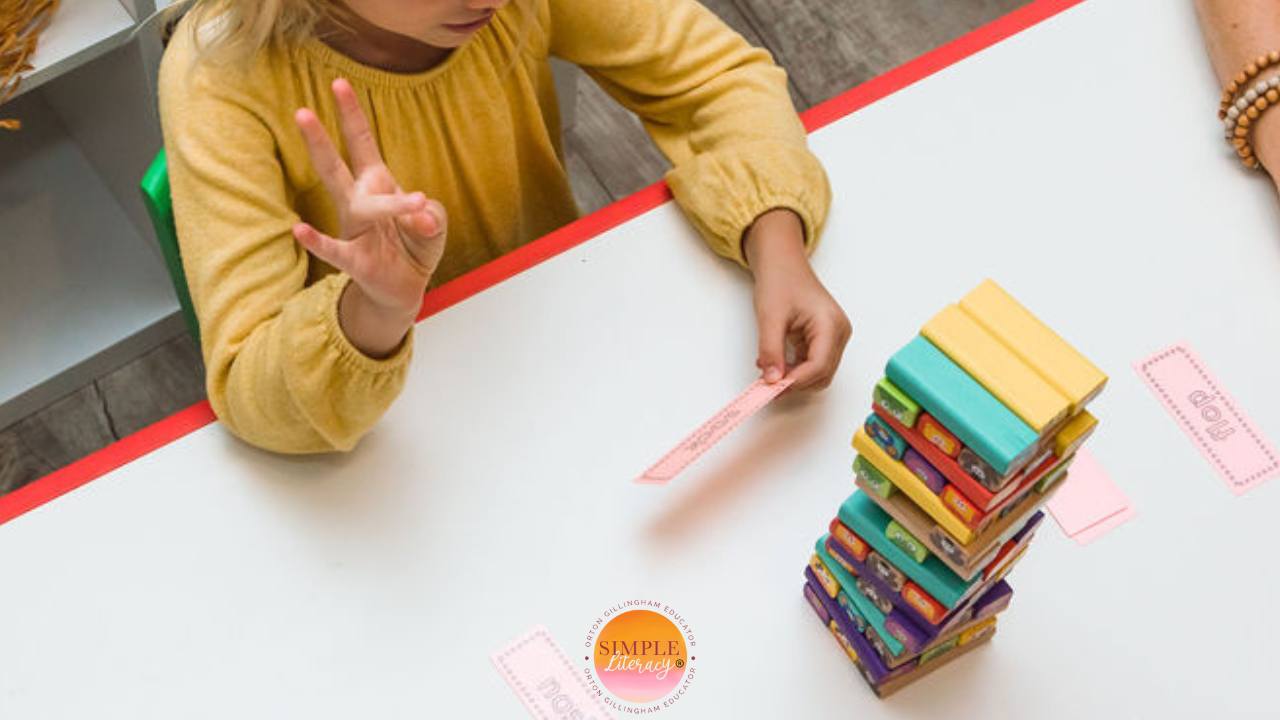
I can't believe I didn't know this at 7, 27, or even 37!
Finally, by 38, I discovered all the sounds that make up the English language. Sure, there are 26 letters in the alphabet, but did you know there are actually 44 unique sounds (phonemes) made by hundreds of different spelling combinations?
Therefore, mastering the 21 consonant and 5 vowel sounds is just the warm-up for your little ones!
So, what does literacy look like beyond learning the ABCs? Once your child has a strong grasp on the alphabet it is time to dive into new letter sound combinations that make reading one syllable words easier - 26 total.
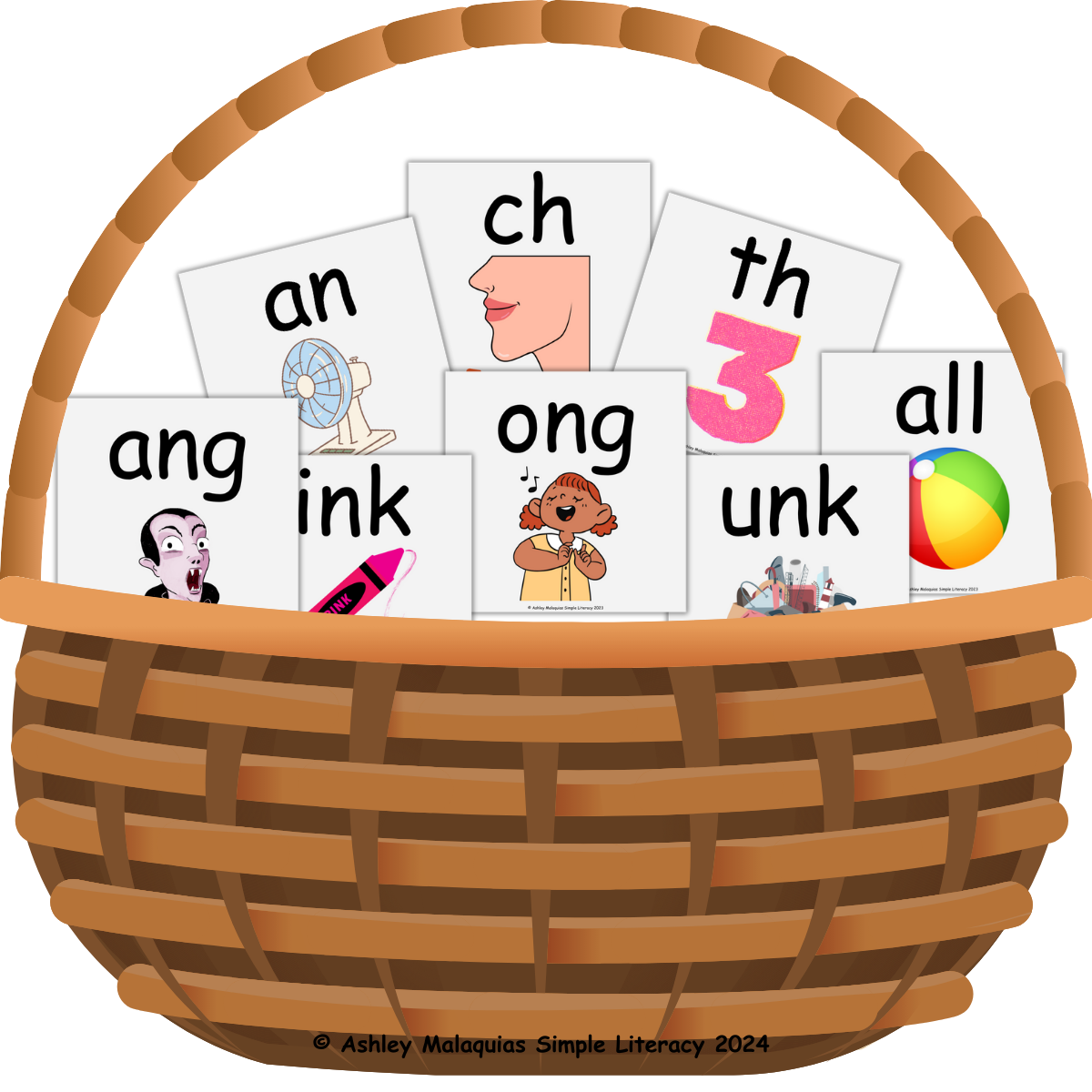
Don’t worry, I’ve got an exciting FREEBIE to help you help your child practice these new letter-sound combinations!
Download the 26 sound cards and quickly help your child achieve mastery of these new "big kid" English letter sound combinations.
3 Categories for New Letter Sound Combinations
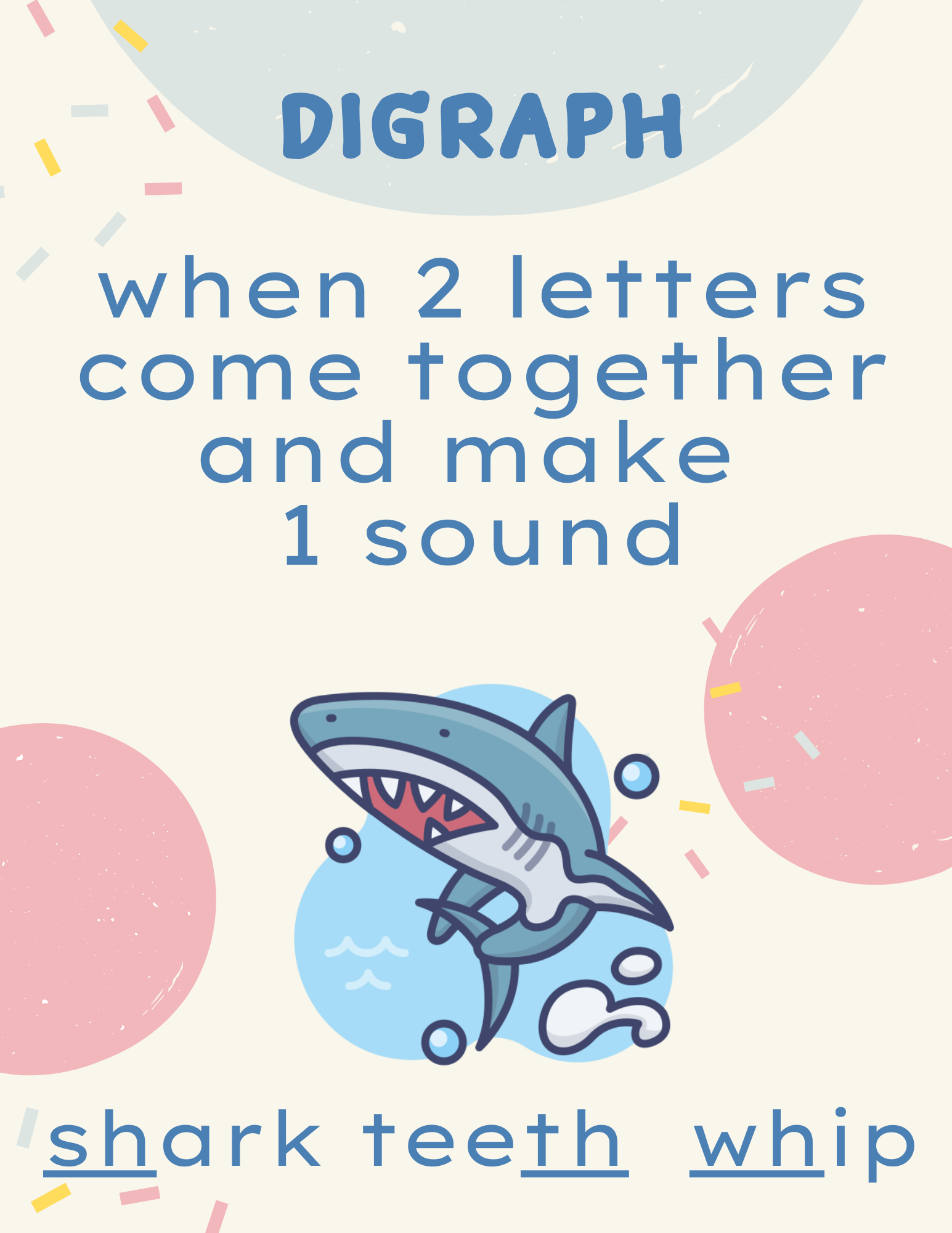
Digraphs & Trigraphs
A digraph is when two letters come together to make one sound, like “sh” in ship or “ch” in chair. Then there are trigraphs, which take it a step further—three letters that come together to make one sound, like “tch” in fetch and "dge" in fudge. These combinations might seem tricky at first, but once kids master them, reading becomes much smoother.
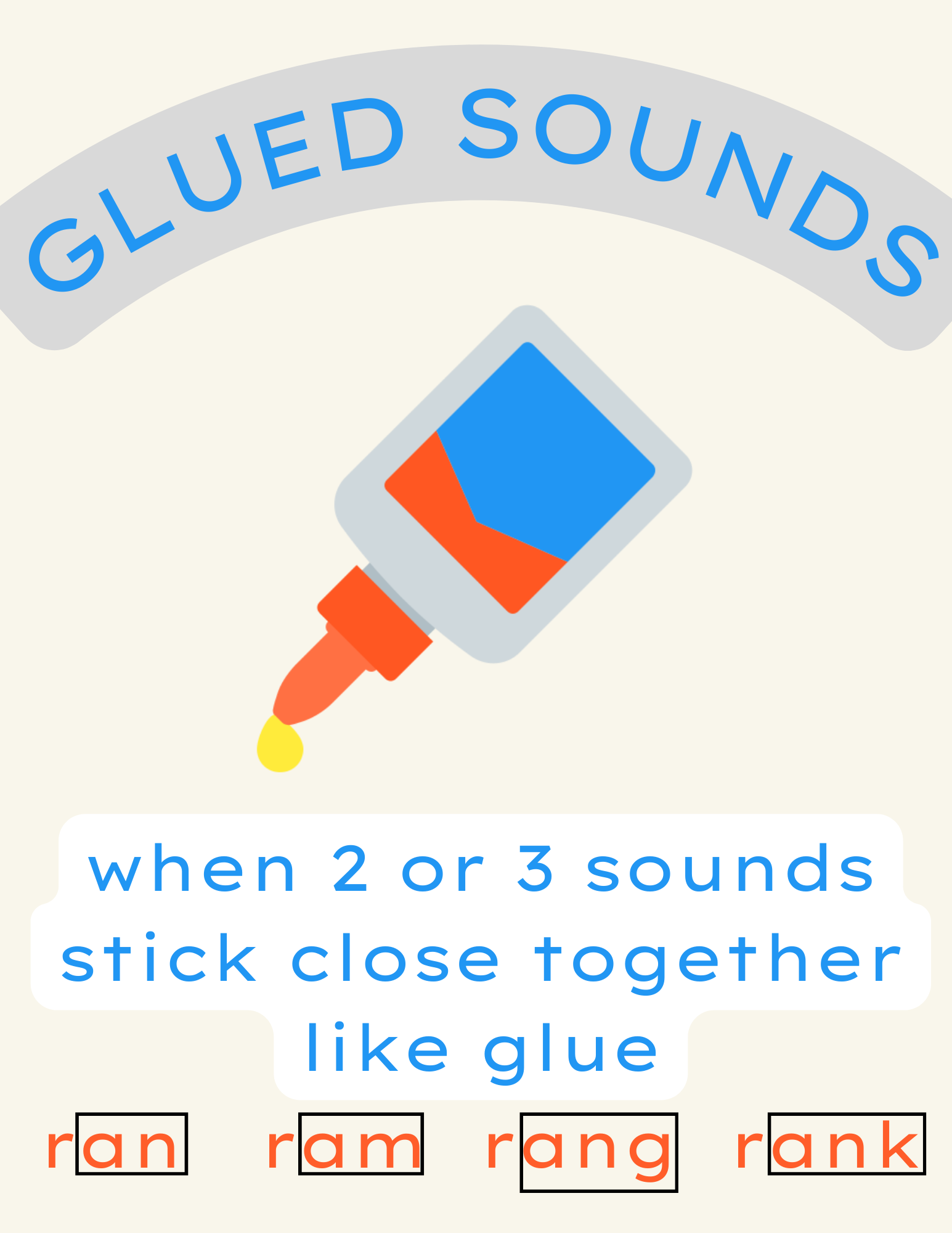
Glued Sounds
Glued sounds are a group of letters that, when combined, stick together to make a unique sound that’s difficult to break apart, like in words such as "am," "all," or "ing." Instead of sounding out each letter separately, these letters create a blended sound. Teaching glued sounds helps children recognize these patterns quickly, building their reading fluency and confidence.
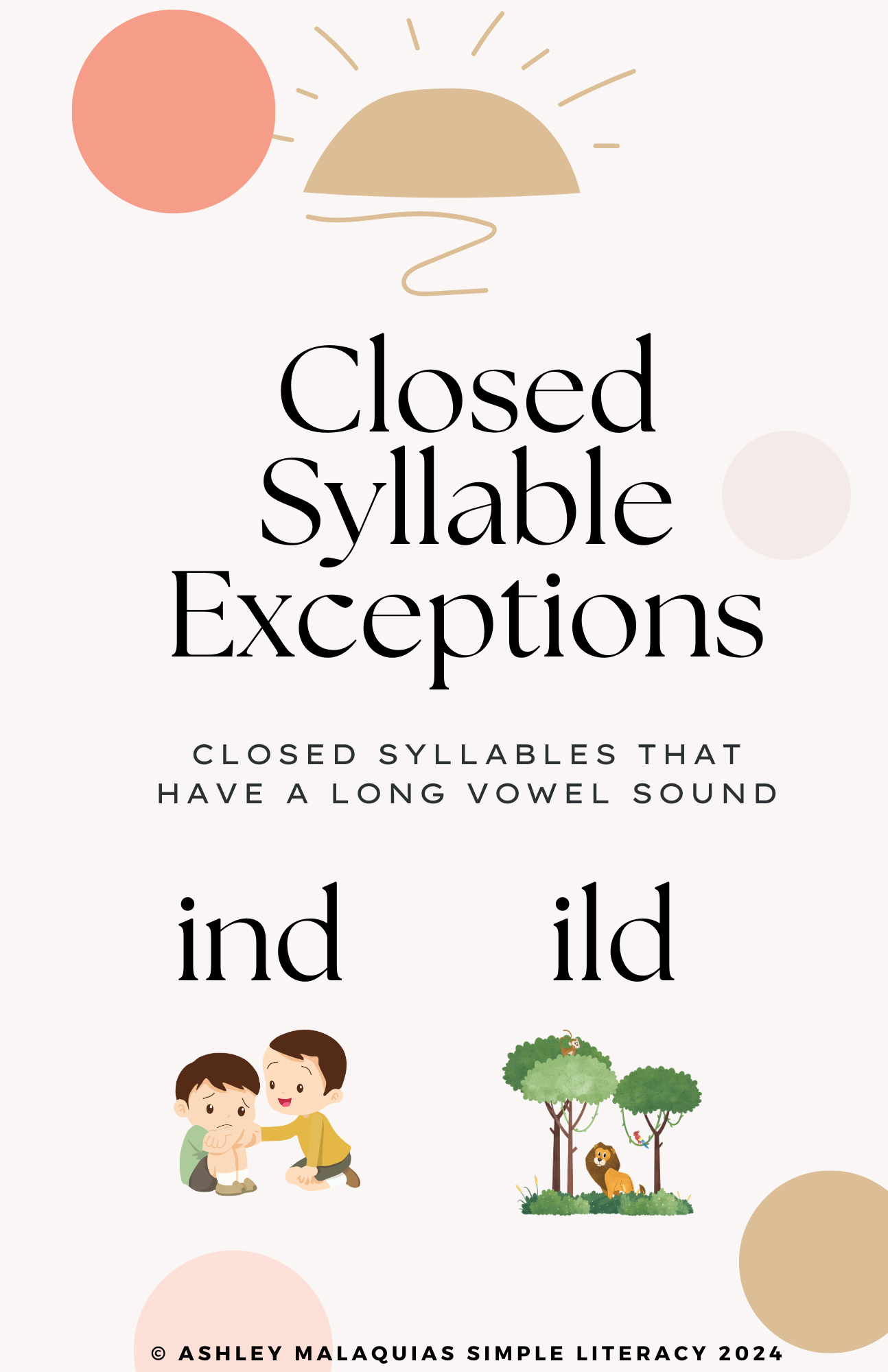
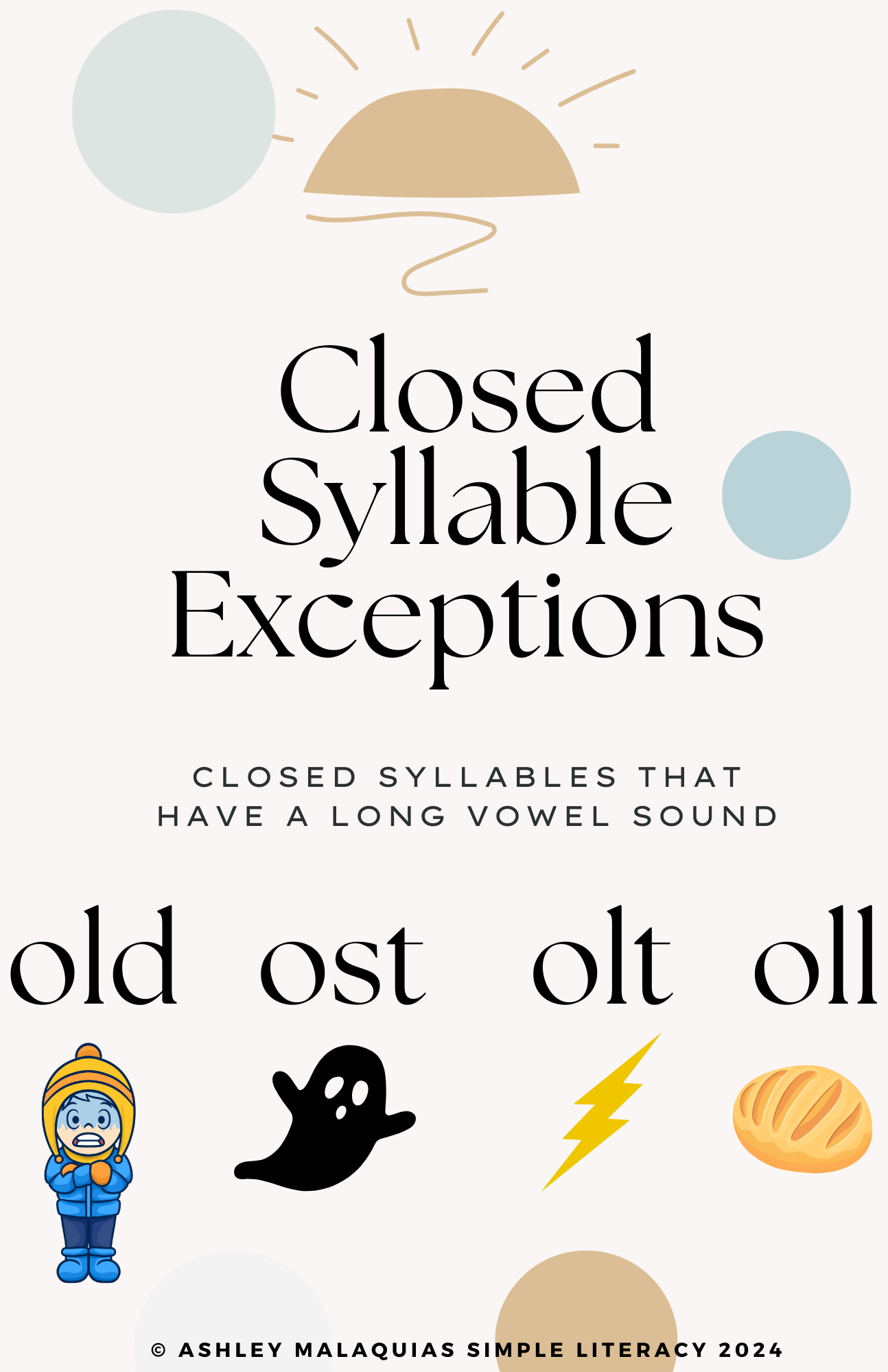
Closed Syllable Exceptions
Closed syllables are one of the first types of syllables children encounter—these are when a single vowel is followed by one or more consonants, like "cat" or "moth." The consonant following the vowel makes the vowel have a short sound. But like many things in English, there are some exceptions! Closed syllable exceptions occur when a word looks like it should follow the generalization but instead of the vowel making its usual short sound, it makes a long sound. Words like "find," "cold," and "child" are great examples. Understanding these little “rule-breakers” can build their confidence in decoding words by providing clarity.
High Frequency Word Hack

High frequency words like done, was, said, come, one, gone, and been are hard to explain to children because you can’t sound them out…ever. Why? Blame it on the Great Vowel Shift—a quirky historical event where vowels decided to go rogue! The Great Vowel Shift occurred between the 15th and 18th centuries, dramatically changing the pronunciation of English vowels. This linguistic shift primarily affected long vowels, altering how they were spoken without changing their spelling. Explaining this historical linguistic event makes it much easier for students to learn to read and spell because they know the why behind their uniqueness.
Check out this AMAZING resource!