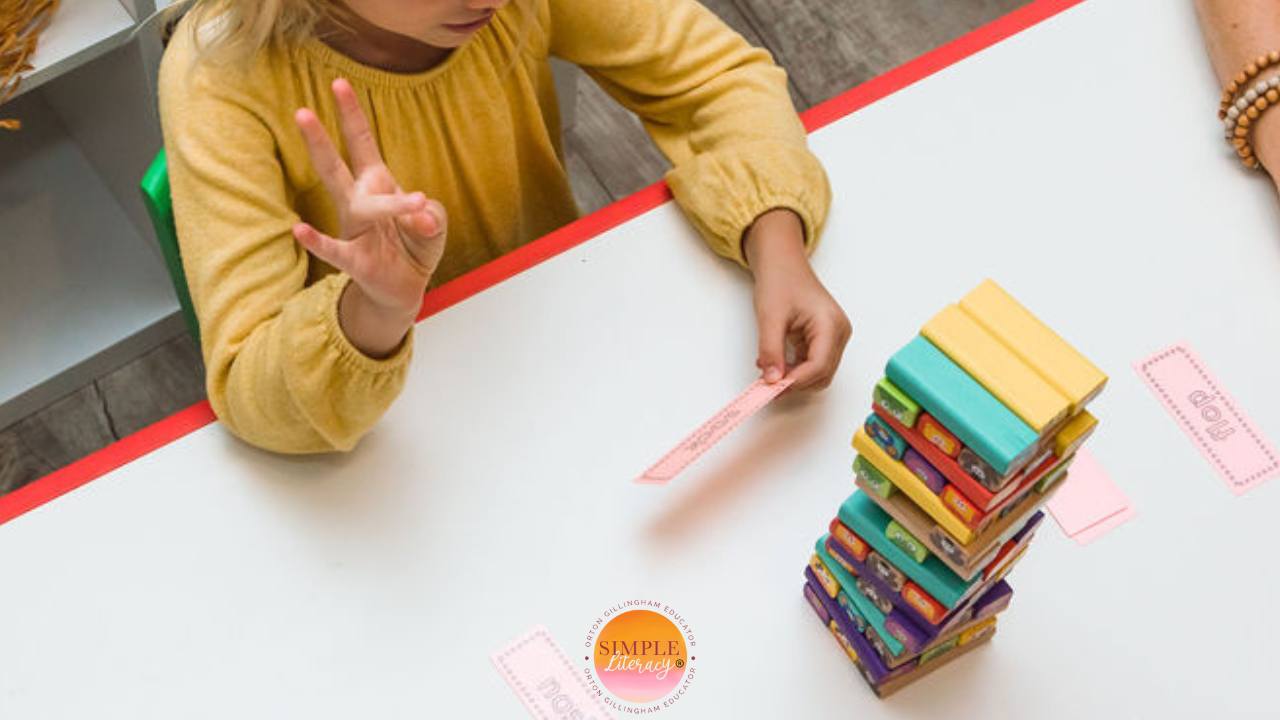
If you knew you could double your money—guaranteed—would you do it?
Well, yeah! Who wouldn't?
Unfortunately, gambling won’t give you those odds, but multisensory learning can.
Multisensory learning has been proven, time and time again, to supercharge brain connectivity and boost retention. Now, if you’re sitting there thinking, “Uh… multisensory what?” and feeling a little overwhelmed, don’t worry. Take a deep breath, grab a coffee, and let me break it down for you.
What even IS multisensory learning?
It’s like the educational version of a smoothie: you’re blending different senses—visual, auditory, and kinesthetic—all at the same time. (Yes, simultaneously, that’s the key!)

Think back to when you were in school. Remember how sometimes you learned by:
-
Seeing: Timelines, flashcards, and charts.
-
Hearing: Lectures and debates
-
Moving: Math manipulatives and acting out historical events
Each method has its own vibe, but guess what? When you combine them, you’re basically creating the superhero of learning methods. Research shows kids not only learn faster but remember more!
How can you utilize this superhero learning method at home?
4 easy ways to combine multisensory learning with your child’s homework.
-
Letter-Sound Correspondence Drill (do this before your child reads to help them warm up for reading):
Show your child a letter card and have them say the letter name, keyword, and sound while tracing the letter. (K-1 Freebie alert—check below!)Pssst... A grade 1-2 freebie is coming in the next newsletter, so stay tuned!
-
Weekly Spelling Words: Have your child write each word three times, saying the letter names as they write, and then read the word.
-
Reading Errors: When your child misreads a word, have them air trace the word while telling their hand the letter names and rereading it three times.
-
High Frequency Words: hop as you say each sound in the word, then hop as you say the letter name, and then read the high frequency word
There you have it—easy, fun, and totally doable ways to bring the multisensory superhero into your home, aligned perfectly with your child’s learning at school.
High Frequency Word Hack

Ever notice how words like “have” and “give” sneak that mysterious little “e” at the end? It’s not there just to mess with your spelling quizzes—it actually serves a purpose. You see, in English, we have this quirky little rule: words can’t end in 'v'.
Why, you ask? Well, it's one of those oddball rules the English language picked up from its older influences. The letter "v" was considered too unstable to stand alone at the end of a word, so English decided to be extra fancy and stick a silent "e" at the end to keep "v" from feeling lonely. So, "have" and "give" may look like they're trying too hard, but really, they’re just following the rules.
So the next time you see that silent "e," give it a little nod of respect. It's the unsung hero keeping our "v" words from looking, well, incomplete!